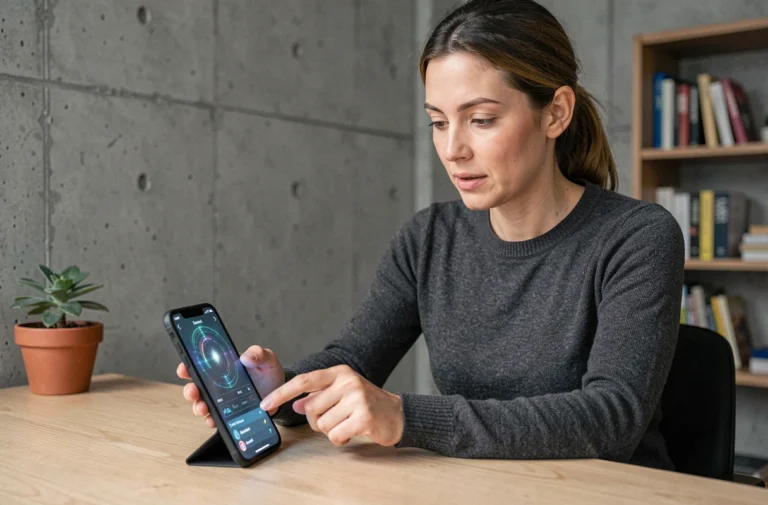
A rule has been broken: information no longer belongs solely to traditional media. Independent journalists, far from the routine of large newsrooms, are inventing new paths to tell the truth. Their formats emerge where they are least expected, circumventing traditional validation circuits and boldly blurring the line between personal narrative and reporting. With the rise of digital platforms, the relationship between those who produce news and those who read or watch it takes on an unprecedented, more intimate, and sometimes even bewildering turn.
This transformation profoundly disrupts the trust pact and the notion of authority between journalists and the public. The codes are changing, the neutrality of journalistic narrative is wavering, as the individual engagement of authors intertwines, even merges, with shared information.
When Proximity Shapes Information: Understanding the Parasocial Relationship in Journalism
It is now impossible to understand the evolution of journalism without addressing the parasocial relationship. The journalist’s face is displayed, their voice resonates on social media, and the old model of a distant media fades away. Today, the public follows, engages, questions, and even if the exchange often remains one-sided, it alters the trust granted. Journalists expose their methods, their doubts, their daily lives. Reporting is transforming: it is no longer just about laying out the facts, but about opening the narrative, creating a connection, sharing an experience.
Johnny Harris, after leaving Vox, launched Newpress with the idea of building a direct relationship with the public. Here, we no longer talk about attention economy, but about human relationships. Newpress, according to Nieman Lab, operates as a community platform where news is constructed with multiple voices. Readers no longer just read: they discuss, critique, and suggest. This model inspires other initiatives, such as https://www.legrandformat.com/, which offers long, embodied, interactive narratives to showcase the complexity of the world.
This movement primarily affects young people, accustomed to the spontaneity of YouTube or TikTok. Figures like Hugo Travers (HugoDécrypte) or Hugo Clément (Vakita) blur the lines between journalism and influence. Bruno Patino, president of ARTE France, and researchers like Shuwei Fang (Shorenstein Center at Harvard), point to the rise of a digital orality and the tension between subjectivity and verification rigor. Traditional media are fumbling, experimenting, adjusting to avoid missing the train of this new proximity with the public.
Why Do New Formats Strengthen the Link Between Journalists and the Public?
The new formats disrupt the dynamic between those who create news and those who receive it. More interactive, more visual, they leverage data and infographics to transform the media landscape. Classic reporting is gradually fading behind fragmented narratives where text, maps, videos, and visualizations intertwine. This hybridization allows for a better grasp of the complexity of topics and engages the reader, who is no longer just a passive spectator.
Tools That Bring Closer
Several tools contribute to this change and modify the way news is told:
- Journalistic mapping, embodied in France by Delphine Papin, favors narrative and personal angles, far from the purely quantitative approaches of Anglo-Saxon countries.
- Data visualization, developed by teams like those at Libération (Julien Guillot, Alice Clair, Savinien de Rivet), innovates by offering a new way to read the news.
In journalism schools, Paris-Dauphine, Institut Français de Géopolitique, these skills are becoming essential: storytelling, voice, analysis, and image mastery. The public, in turn, expects more pedagogy and transparency, wanting to participate. Immersive, interactive, or participatory formats reinforce this renewed trust contract. At Newpress, the direct relationship with the community is a cornerstone: 95% of revenues come from advertising and partnerships, proof of the growing weight of this relational economy.
The boundary between journalist and content creator is becoming blurred. Practices are evolving towards greater clarity and accessibility, enriching the field of media coverage and redefining, in the process, the place of public debate.
Challenges and Limits: Towards a More Conscious Consumption of Independent Information
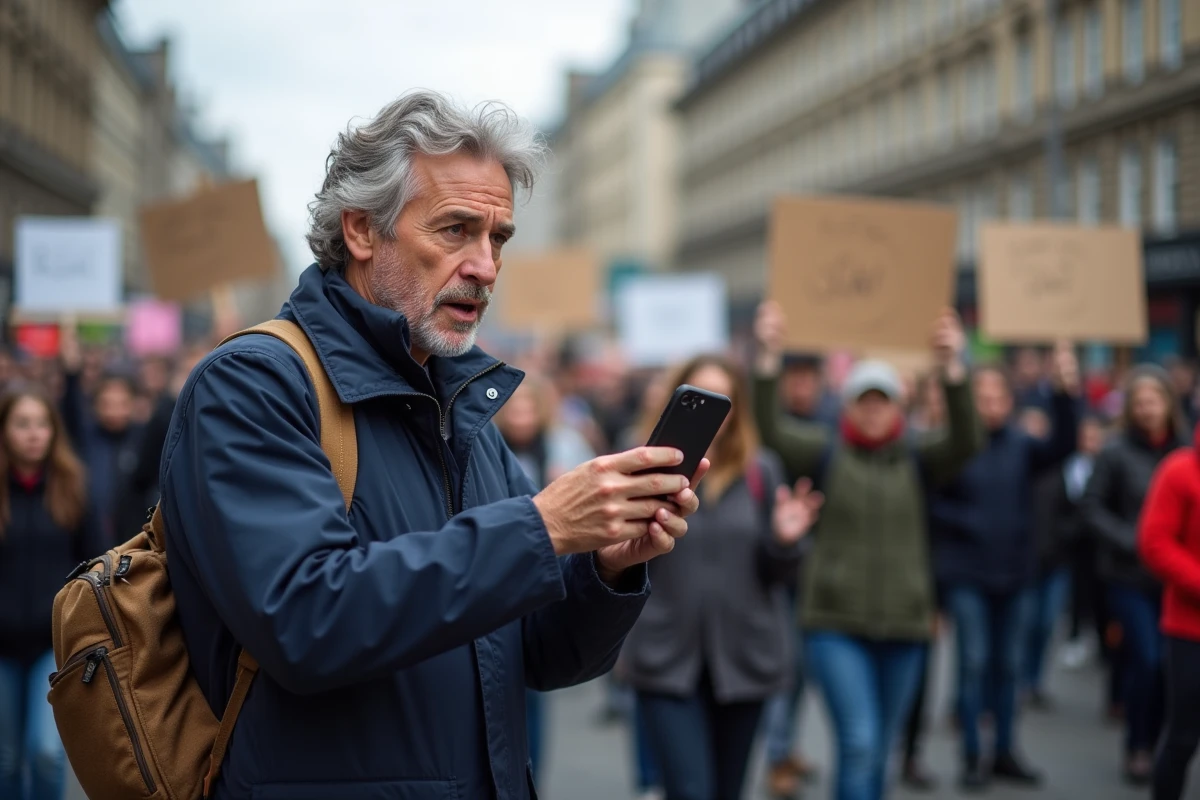
Independent journalism faces a series of new challenges. The growing influence of algorithms and artificial intelligence shapes the dissemination of news, dictates visibility, and reshuffles the hierarchy of content. The issue is no longer just about producing independent information but about circulating it and making it accessible in a often saturated digital tide.
Trust barometers like that of Kantar-La Croix reveal that an increasing share of young French people inform themselves through social media. There, the role of the journalist blurs in favor of creators and influencers. The journey of Hugo Travers (HugoDécrypte) illustrates this: he enjoys strong public recognition but does not have the status of a press company according to the CCIJP, revealing a gray area surrounding these new formats.
Journalism schools, CELSA, ESJ Lille, Sciences Po, have revised their curricula: editorial innovations, mastery of AI, verification, and ethics are on the agenda. The public debate is transforming: information, communication, and opinion sometimes blur together, while the demand for transparency and reliability intensifies. Preserving the distinction between communication and information remains a sine qua non condition for a vibrant democracy, even as automation and predictive tools reshape usage.
In the face of these developments, certain points of vigilance are necessary to keep track:
- Diversity of sources: multiplying perspectives and formats to escape algorithmic bubbles.
- Continuous training: journalists and citizens alike must learn to navigate this flow of innovations.
Independent journalism is charting its course, between exploring new formats and vigilance over its own excesses. It remains to be seen who, tomorrow, will hold the compass of information and manage to make a singular voice heard in the digital tumult.