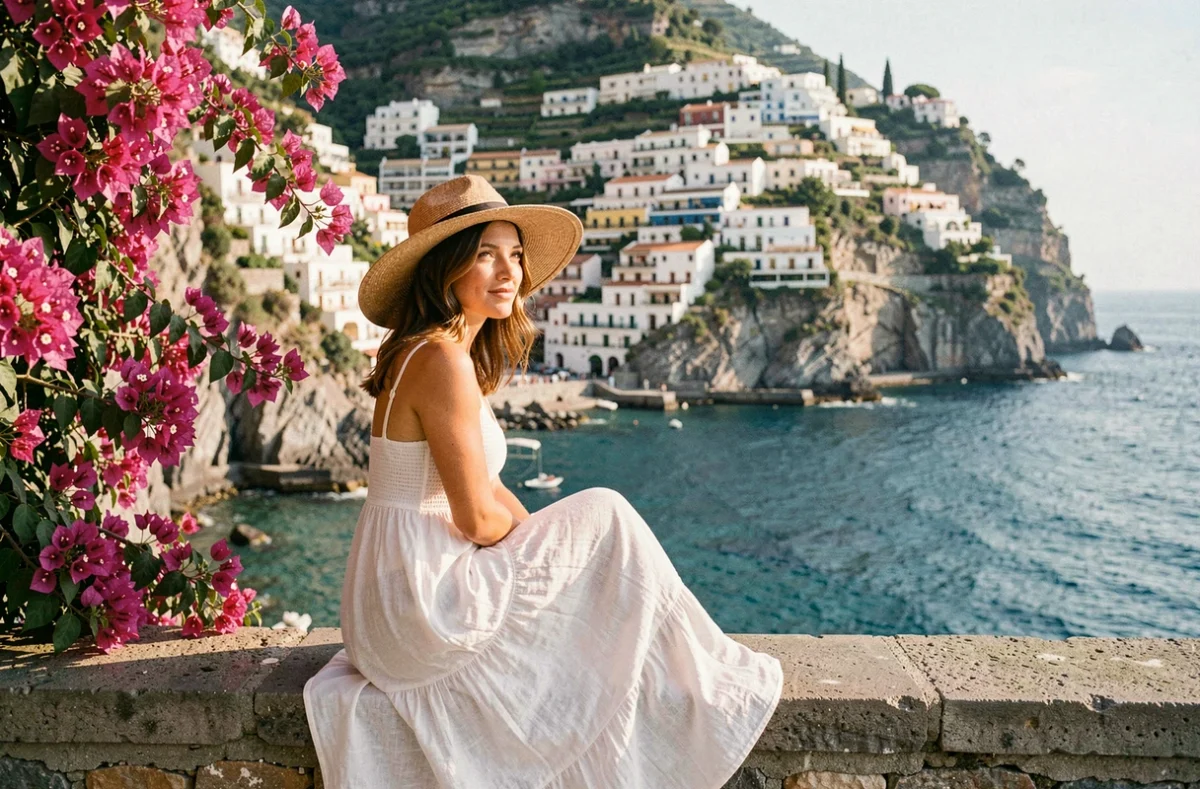
Choosing a seaside destination in Italy for the summer involves more than comparing photos of turquoise coves. Several less visible factors—bathing water quality, the proportion of free beaches, and local regulations on access to the coast—can make the difference between an enjoyable destination and a frustrating one. Comparing these factors helps you look beyond a destination’s scenic reputation and choose a coastline that genuinely suits your expectations.
Water quality and free beaches: a comparison of Italy’s coastlines
Bathing water data published by environmental agencies make it possible to check water quality at individual sites, going well beyond a region’s general reputation. Conditions can vary significantly between two beaches on the same stretch of coast. The table below compares several practical factors across Italy’s main seaside destinations.
| Destination | Water quality (verifiable by site) | Estimated share of free beaches | Local regulations to check |
|---|---|---|---|
| Sardinia (Costa Smeralda, south) | Favorable ratings at most listed sites | Varies by municipality, often higher than on the Adriatic coast | Restrictions on towels and equipment at some protected beaches |
| Puglia (Salento, Gargano) | Generally good results, with some local variations | Free access is common along the Salento coast | Municipal ordinances on pets and wild camping |
| Sicily (Syracuse, Cefalù) | Very high ratings in the southeast, more mixed results in the north | Many free beaches outside developed tourist areas | Environmental rules that change from one season to the next |
| Amalfi Coast (Positano, Amalfi) | Good overall quality, with increased monitoring in summer | Few free beaches, with a high proportion of privately operated concessions | Access limited by capacity; reservations may be required |
| Liguria (Cinque Terre, Portofino) | Variable; check municipality by municipality | Free beaches are rare and narrow | Access restrictions during peak season in the Cinque Terre |
This table highlights a point often overlooked by traditional travel guides: the availability of free beaches varies dramatically from one region to another. Despite its beauty, the Amalfi Coast offers few free places to access the shore. Sardinia and Puglia retain more coastline without private concessions.
Planning your summer vacation in Italy is easier when you weigh these practical details against each traveler’s preferences, rather than relying solely on rankings of the “most beautiful beaches.”
Local beach regulations in Italy: what varies by municipality
Each Italian municipality can issue its own beach ordinance, and these rules change from one season to the next. A beach where dogs are allowed in June may no longer permit them in July. Rules on equipment left on the sand (umbrellas, personal sun loungers) also vary, and tourists often discover them only after they arrive.
Reform of beach concessions remains a current regulatory issue in Italy. The transition underway could change how managed beaches are organized and who operates them. For travelers, this means that prices and services at beach establishments are not set in stone.
Check before you leave, not after you arrive
Checking the beach ordinance for your chosen municipality before departure can help you avoid unpleasant surprises. These documents, often published on Italian municipal websites, specify:
- Opening hours for free beaches and any capacity restrictions, which are common on the Amalfi Coast and in Liguria
- Rules on pets, which vary from one municipality to another, even within the same region, such as Puglia
- Specific environmental protection restrictions (single-use plastics, camping, fires), which are particularly strict at some protected beaches in Sardinia
This takes just a few minutes and can make a real difference to your stay, especially when traveling with family.
Sardinia and Puglia: two distinct seaside experiences
Competitors often group Sardinia, Sicily, and Puglia together under the same “south and islands” category. Yet these destinations differ in practical ways.
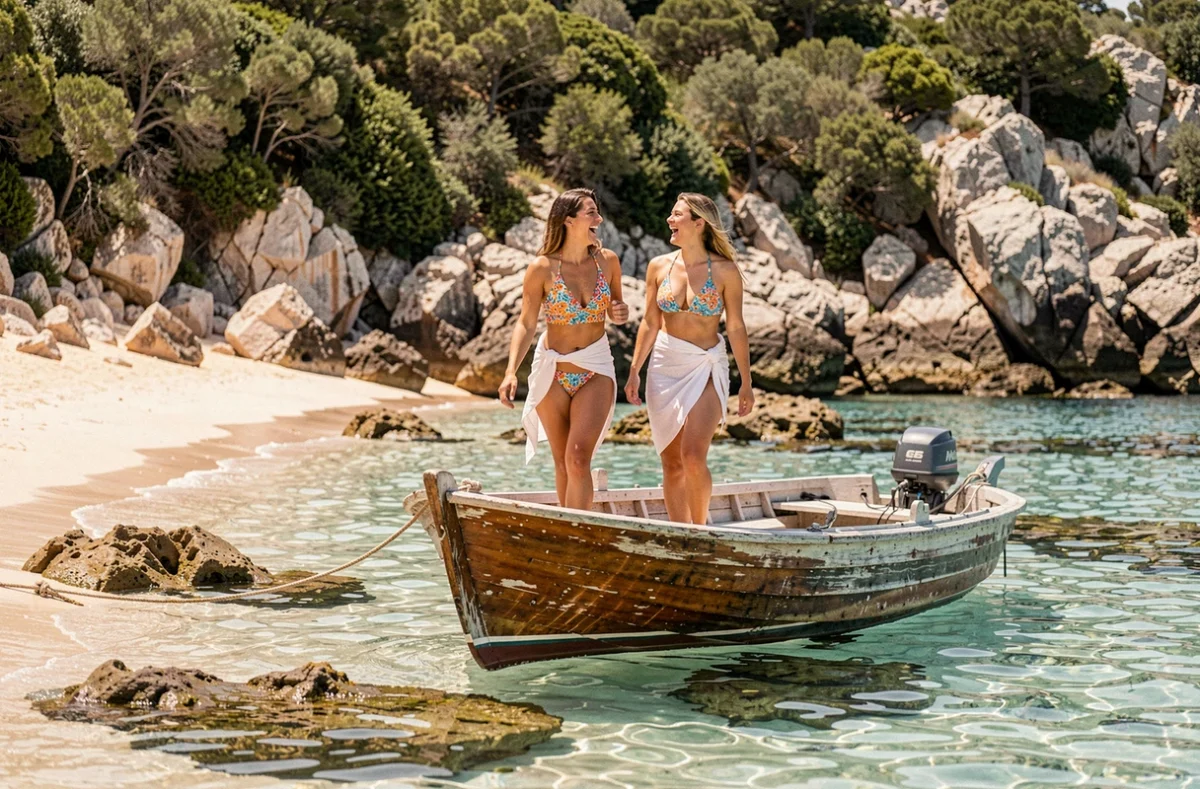
Sardinia draws visitors with its secluded coves and some of the Mediterranean’s highest-rated bathing waters. A significant share of Sardinia’s coastline remains free of private concessions, particularly in the south of the island and along the west coast. Environmental restrictions are more pronounced here: some beaches limit the number of daily visitors.
Puglia offers a more accessible coastline, with Salento standing out for its free beaches. The region combines seaside escapes with architectural heritage (trulli, and the Baroque historic centers of Lecce and Ostuni) over short distances. A seaside stay in Puglia costs less than one in Sardinia, a factor that matters for families and longer trips.
Sicily: a middle ground
Sicily falls between these two profiles. Water quality results are particularly favorable along its southeastern coast (Syracuse, Noto). The more urbanized northern coast around Palermo and Cefalù shows more mixed results, so it is best to check environmental agency data for each site.
Sicily’s rich cultural heritage (Greek temples, Catania’s markets, Mount Etna) makes it a destination where beach time naturally combines with inland travel, unlike some other Italian coastlines.
Amalfi Coast and Liguria: beauty at the cost of availability
Both areas regularly feature in rankings of Italy’s most beautiful coastlines. Access data tell a different story.
A large share of beaches on the Amalfi Coast are operated under private concessions. Finding a free beach in Positano or Amalfi in August is a challenge. Free access is available, but it is limited to narrow strips that are packed from early morning. Some municipalities now require reservations or impose visitor caps.
The situation is similar in Liguria. The Cinque Terre imposes access restrictions during peak season. Portofino is more of a scenic stop than a seaside destination in the strict sense: beaches there are few and small.
If your trip is focused on swimming and relaxing in the sun, consider visiting these two regions outside peak season, in June or September, when pressure on the coastline eases considerably.
Choosing a seaside destination in Italy is best done using verifiable information—water quality, municipal ordinances, and the ratio of free to concession-operated beaches—rather than relying on how photogenic a place is. Sardinia and Puglia offer the best balance of free coastal access and bathing water quality. The Amalfi Coast and Liguria, by contrast, require more advance planning to avoid the summer crowds.