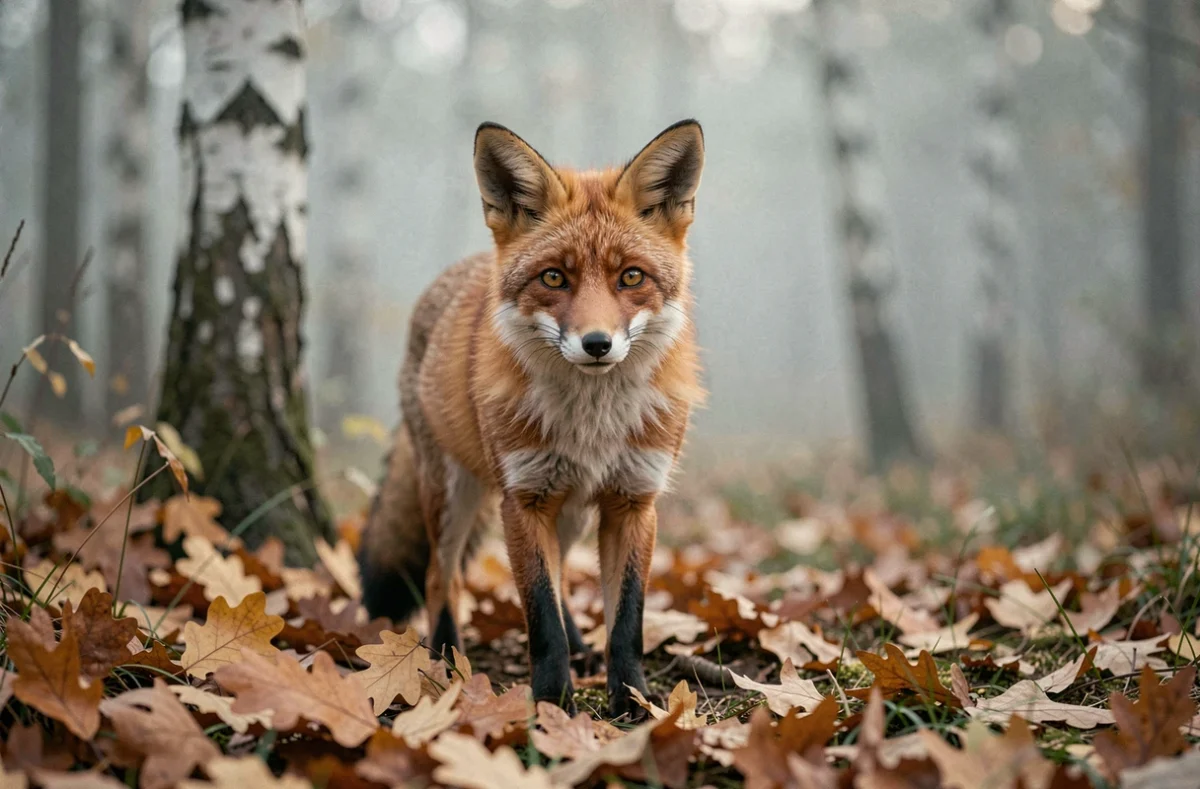
The Living Planet Report 2026, published on October 8 by WWF and the University of Exeter, presents a figure that alone summarizes the state of global wildlife: an average decline of 73% in monitored vertebrate populations since 1970. This data, calculated from thousands of animal populations, does not pertain to an isolated group. It spans mammals, birds, reptiles, amphibians, and fish.
The recent animal news oscillates between this fundamental observation and a series of more scattered signals, from newly described species to ongoing regulatory changes.
Online Wildlife Trafficking: A Trade Difficult to Quantify
The illegal wildlife trade on the Internet is receiving increasing attention from researchers. A global synthesis published in Nature Reviews Biodiversity in August 2026 analyzes the trends and consequences of this digital trafficking. Sales platforms, social networks, and private messaging serve as channels for transactions that largely evade traditional customs controls.
Recent seizures in Europe illustrate the scale of the phenomenon. In Italy, dozens of parrots and hundreds of turtles destined for Malta were intercepted. In France, customs documented cases involving scorpions, seahorses, and iguanas during the summer. These seizures, reported by Animal News, represent only a fraction of the actual flows.
The available data do not allow for conclusions about the overall evolution of the volume of this trafficking. Researchers emphasize that the migration to encrypted channels makes monitoring more complex than it was ten years ago, without necessarily indicating an increase in transactions.
Decline of Vertebrates: What the Living Planet Report 2026 Reveals
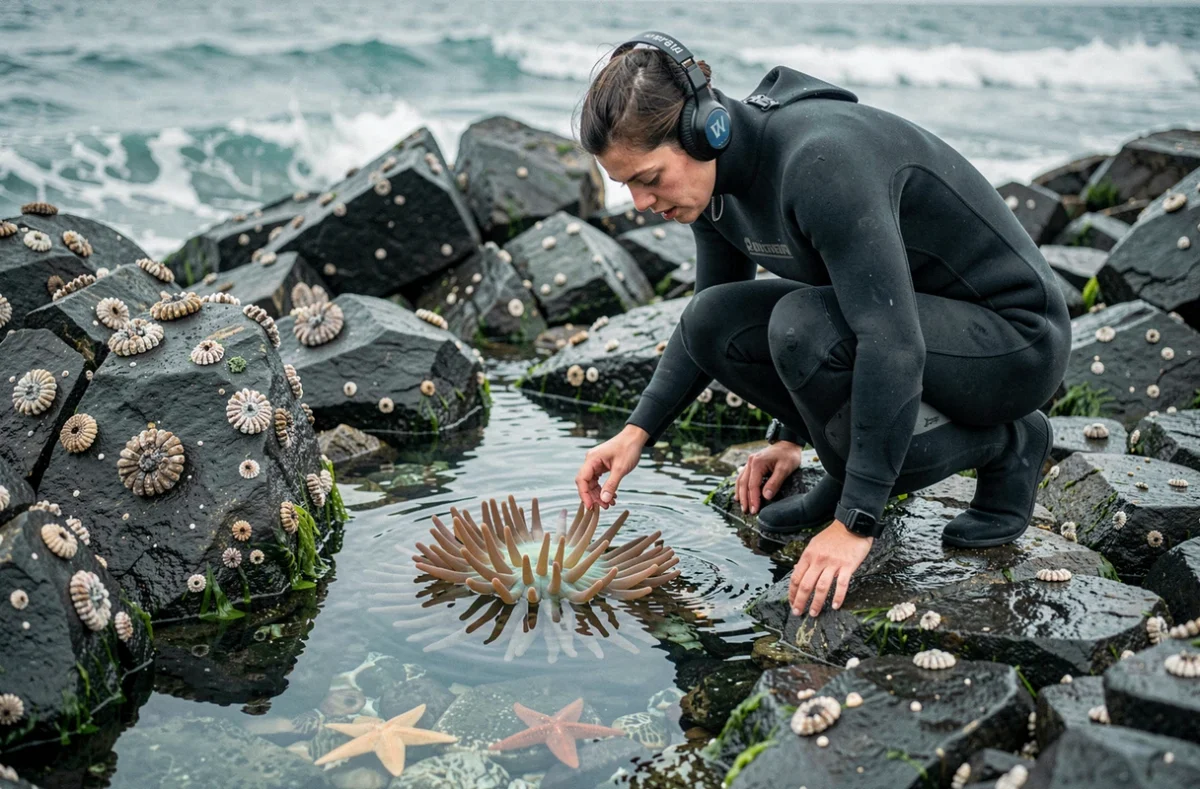
The report from WWF and the University of Exeter does not settle for an overall figure. It details marked geographical disparities. Latin America and freshwater ecosystems are experiencing the most severe declines. Rivers, lakes, and wetlands are under combined pressure: bank artificialization, agricultural pollution, water extraction, and the introduction of invasive species.
This diagnosis is not new in its direction, but its magnitude has worsened compared to previous editions of the report. The window for action, in the terms used by the University of Exeter, “continues to shrink.”
Why Freshwater Environments Are Declining Faster
Freshwater species depend on narrow ecological corridors. A dam, diversion, or localized pollution can fragment a population within a few years. Migratory fish, amphibians, and certain semi-aquatic reptiles are the first to be affected.
In contrast, marine species in the open ocean, although threatened, benefit from broader connectivity between their habitats. This structural difference partly explains the disparity in decline between continental and oceanic aquatic environments.
- Tropical rivers in Latin America have lost a significant portion of their endemic fish species over the past five decades, according to the report.
- Temporary wetlands, often legally unprotected, are disappearing at a rate higher than that of tropical forests in several regions.
- Amphibians remain the most threatened group of vertebrates globally, with an increasing number of species classified as critically endangered.
Animal Welfare Monitoring: Machine Learning Enters Inspections
A study published in Frontiers in Veterinary Science in 2026 examines the use of machine learning to prioritize official animal welfare inspections. The principle relies on leveraging existing data (inspection history, reports, characteristics of farms) to guide inspectors to the highest-risk sites.
This approach marks a shift in logic. Until now, inspections were based on administrative criteria or sporadic reports. The introduction of a predictive model could allow for the concentration of limited resources on the most problematic situations.
Known Limitations of This Approach
Field feedback varies on this point. A model trained on historical data reproduces past collection biases: farms that have never been inspected do not appear in the datasets. The main risk is to reinforce monitoring where it already exists, while leaving blind spots elsewhere.
Moreover, the quality of input data varies significantly from country to country, and even from region to region within the same state. The article in Frontiers in Veterinary Science emphasizes the need to couple these tools with random inspections to limit this feedback loop effect.
Newly Described Species: A Constant Flow Despite Global Decline
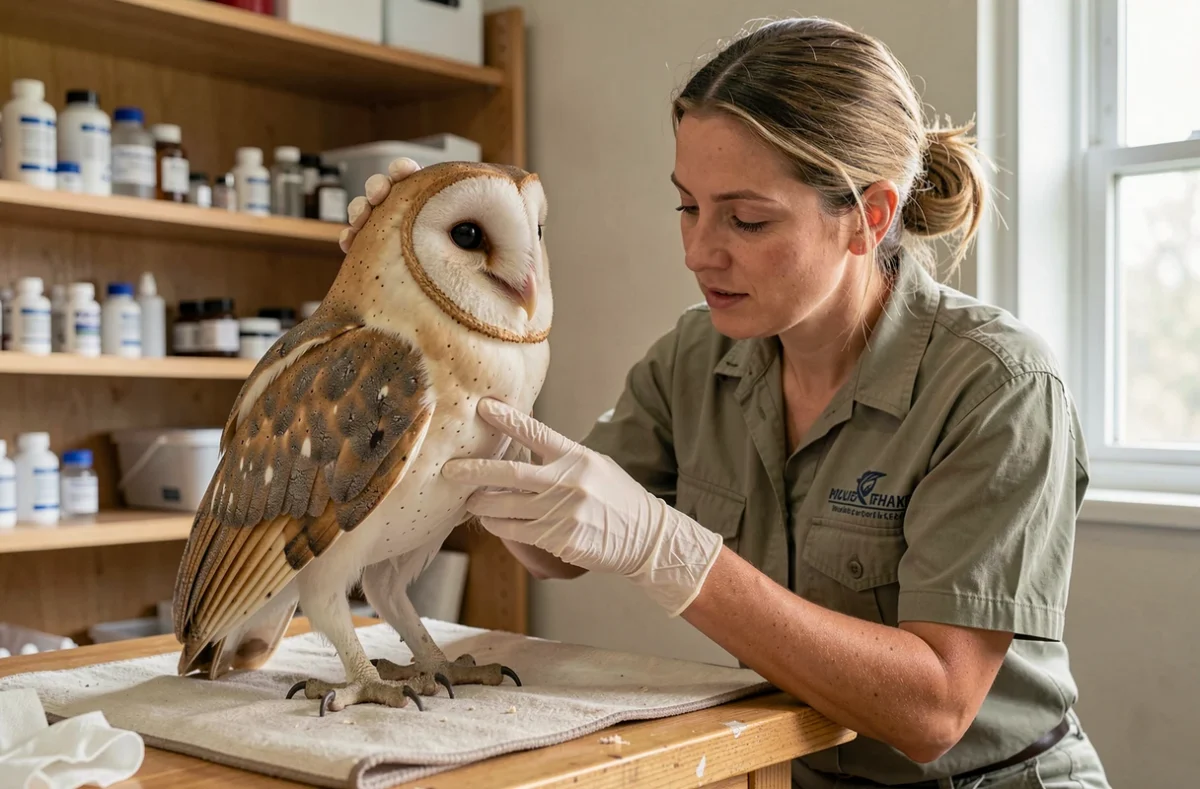
Taxonomists continue to describe a considerable number of new species each year. Among the most documented recent discoveries are organisms with unusual morphologies: an Atlantic manta ray (Mobula yarae), a giant isopod named after Darth Vader (Bathynomus vaderi), and a coral nicknamed Chewbacca (Iridogorgia chewbacca).
Describing a species does not guarantee its protection. The majority of new species are identified in areas under strong anthropogenic pressure. Between the time of scientific description and a potential listing for protection, several years may pass, during which the habitat may be altered or destroyed.
This paradox, discovering and losing simultaneously, characterizes the current period. The flow of taxonomic descriptions sometimes obscures the reality of a net loss of functional biodiversity, the kind that structures ecosystems on a daily basis.
The recent animal news paints a mixed picture. Monitoring tools are advancing, species descriptions are accumulating, and control methods are modernizing. The decline documented by the Living Planet Report 2026 reminds us that these advances are still not enough to reverse the underlying trend.