
Personal data breaches are multiplying and affecting everyday services: telecom operators, health insurance providers, online shopping platforms. Each incident exposes millions of identifiers, postal addresses, and sometimes IBANs. Protecting your data and privacy online is not limited to choosing a strong password. The question now revolves around what happens after a breach, the new regulatory requirements, and the mechanisms that few users actually activate.
Reacting After a Data Breach: The Three-Step Process Formalized by the CNIL
Most online data protection guides focus on prevention. Recent recommendations from the CNIL and Cybermalveillance.gouv.fr add a rarely detailed aspect: post-incident management.
The recommended process is organized into three steps. First, retain and analyze the breach notification received via email or mail. This message specifies which categories of data have been exposed. Next, immediately change compromised passwords and enable two-factor authentication on the affected accounts. Finally, actively monitor bank accounts, active sessions, recovery addresses, and email forwarding for several weeks.
This monitoring should extend for a period of up to thirty days after the incident. Attackers do not always exploit stolen data in the hours that follow. A delay of several weeks between the breach and the first fraud attempt is common. The sections dedicated to security on Geek Gazette detail several of these monitoring mechanisms applicable in daily life.

Post-Breach Scams: Scams That Exploit Your Own Data
A recent phenomenon complicates the situation for victims of data breaches. Fraudulent emails offer to delete the disclosed information for a fee or through a procedure. These messages sometimes include actual stolen data (postal address, IBAN) to appear credible.
Some scammers impersonate the CNIL’s phone number to enhance the illusion. The CNIL explicitly recommends not responding to these solicitations, not clicking on any links, and not providing any additional documentation.
This type of scam targets individuals already weakened by a breach. The natural reflex, wanting to regain control of one’s data, is turned against the victim. Systematically verifying the real sender of an email and never acting in haste remain the two most reliable protections against these attempts.
Multi-Factor Authentication: What Regulatory Tightening Changes in Practice
Multi-factor authentication (MFA) has long been included in security recommendations. What is changing is the level of institutional requirement. The CNIL is strengthening its controls on the activation of MFA for remote access to large databases. This requirement applies not only to employees of an organization but also to partners, subcontractors, and external service providers.
The absence of MFA can now contribute to the initiation of a sanction procedure by the CNIL. For individuals, the direct consequence is simple: online services that manage large volumes of personal data are required to offer two-factor authentication. Activating it is no longer a comfort option; it is an expected link by the regulator.
In practice, three forms of MFA coexist:
- The code sent via SMS, the most common but vulnerable to SIM swapping attacks
- The authentication app (TOTP), which generates a temporary code on the phone without going through the mobile network
- The physical security key (FIDO2/WebAuthn), which offers the highest resistance to phishing as it verifies the site’s domain
The choice depends on the sensitivity level of the account. For primary email and banking services, favoring a TOTP app or a physical key significantly reduces risk.
Protection of Minors’ Privacy: An Evolving Regulatory Framework
The protection of minors’ data online is becoming a distinct regulatory focus, driven by both the GDPR and the Digital Services Act (DSA). The default privacy settings of platforms are not sufficient to protect an audience that does not always grasp the implications of their posts. The data collected on minors fuels advertising profiles from the moment the account is created, often without parents’ knowledge.
For families, two concrete actions emerge:
- Check the privacy settings of existing accounts, particularly profile visibility, location sharing, and permissions granted to third-party applications
- Use the parental control tools integrated into mobile operating systems, which allow restricting downloads and limiting screen time per application
- Regularly discuss with minors what they post, as no technical filter can replace understanding the risks associated with sharing personal information
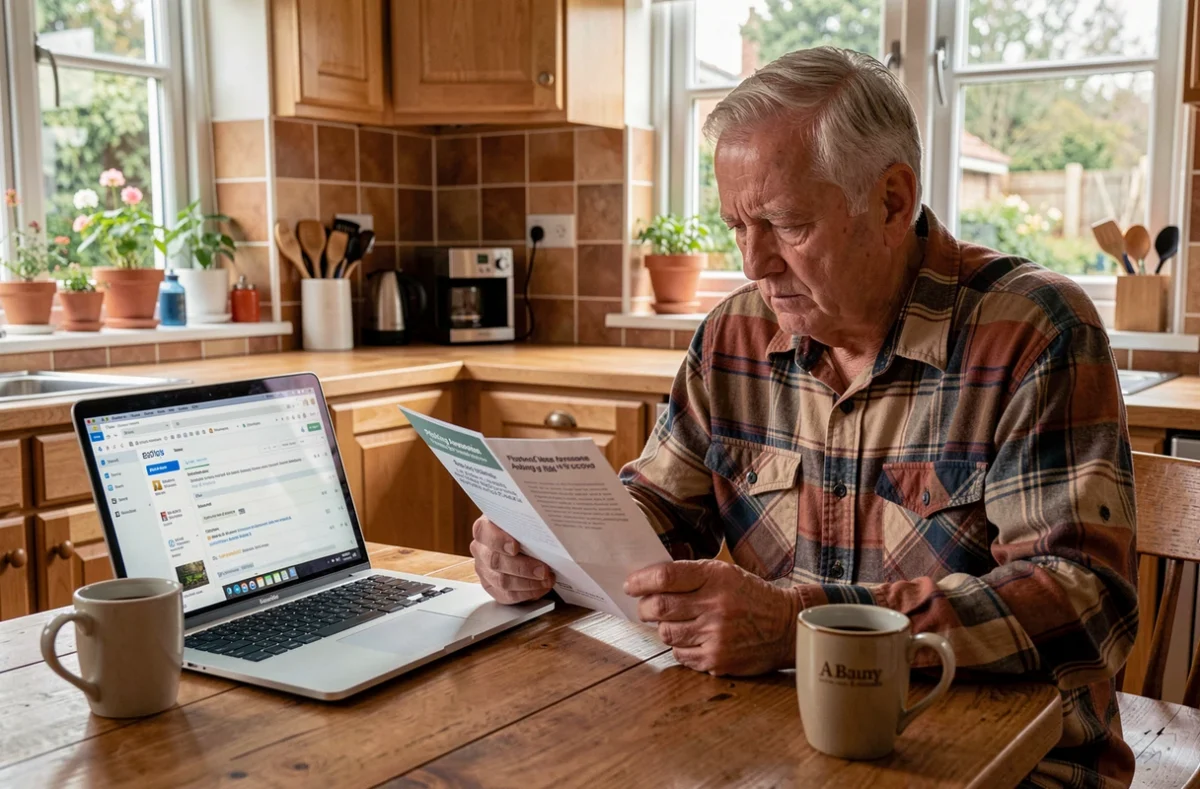
The increase in data breaches, the targeted scams that follow, and the tightening of regulations create a landscape where online privacy protection requires continuous vigilance. Activating two-factor authentication, monitoring accounts after an incident, and checking the privacy settings of the services used constitute a minimal foundation. The legal framework is evolving, but daily responsibility remains largely individual.