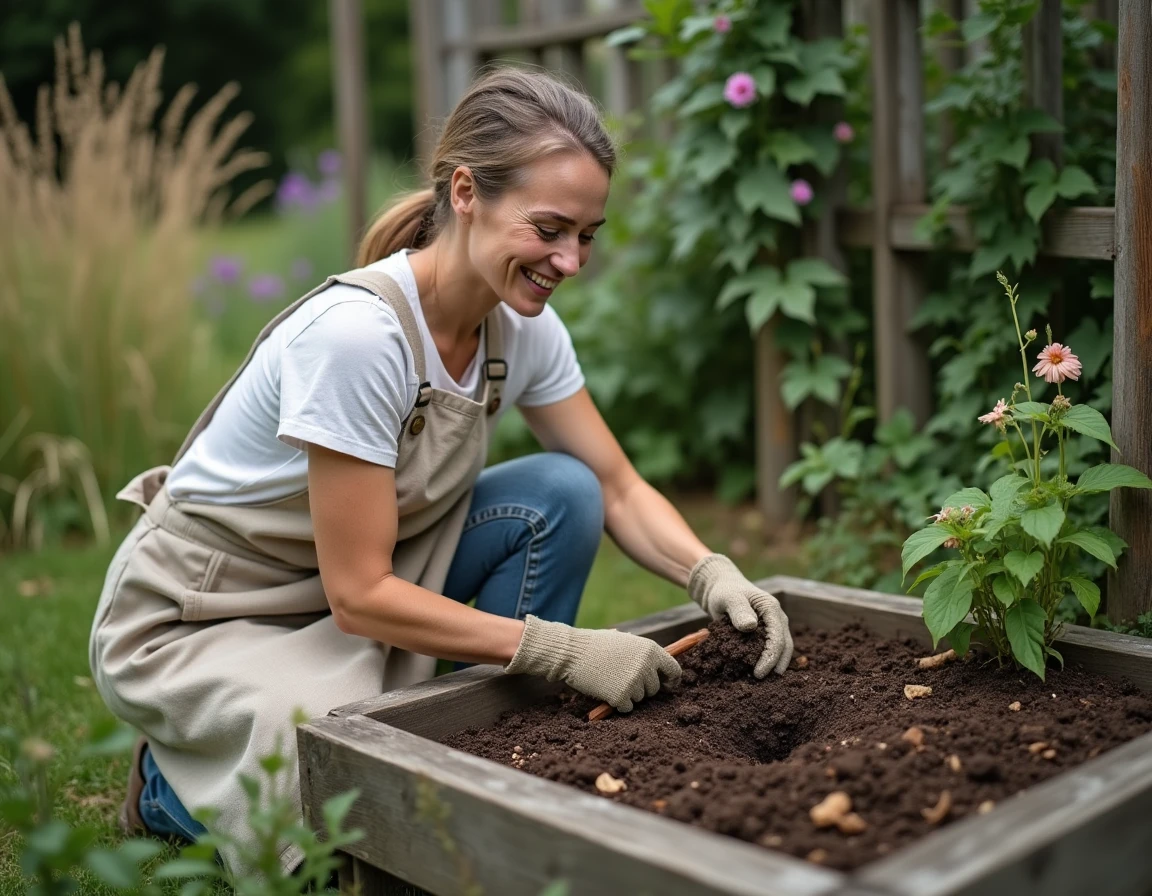
A garden described as “natural” or “eco-responsible” is based on a simple principle: work with the ecological dynamics of the place rather than against them. In recent years, communities and organizations like the League for the Protection of Birds have offered labels for gardens that support biodiversity, with specific criteria (zero pesticides, wild areas, natural water points). This framework formalizes what it truly means to have an outdoor space that respects its environment.
Living soil: the invisible foundation of the eco-responsible garden
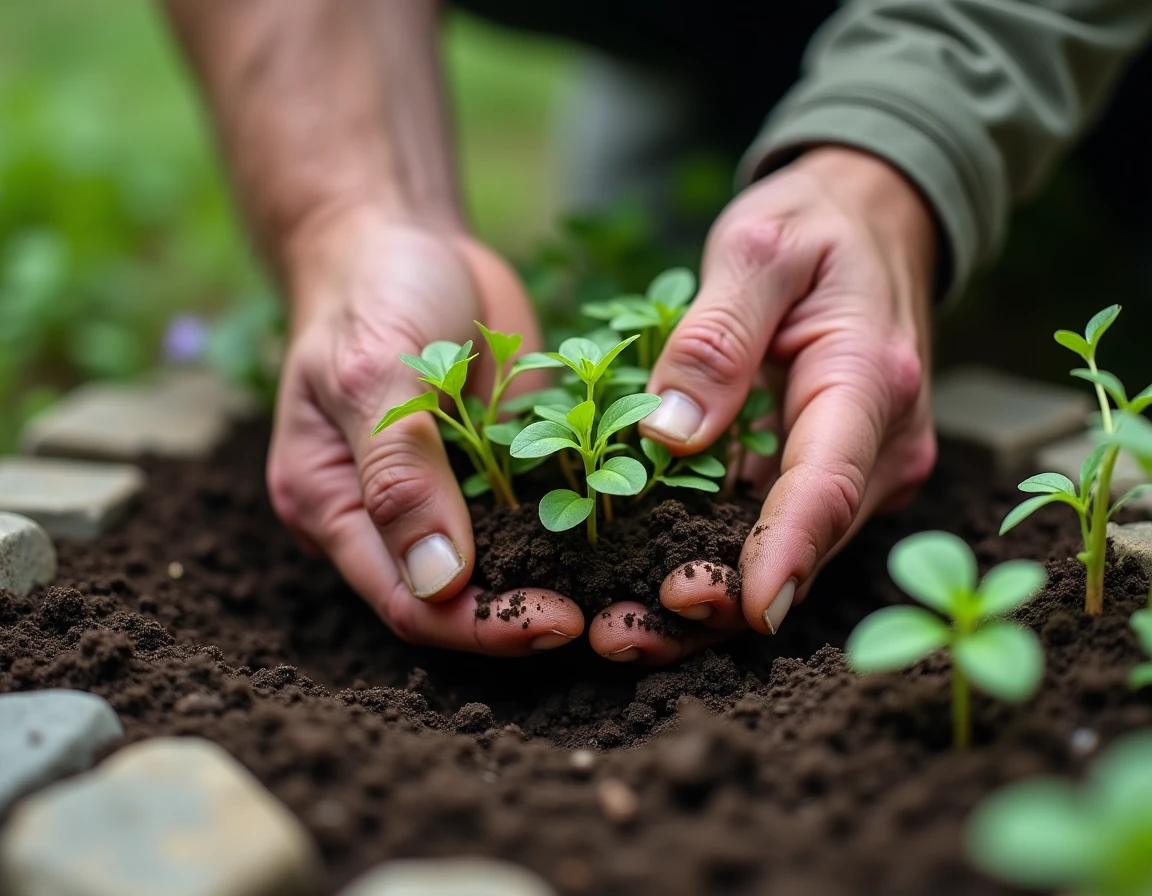
Most guides on natural gardening start with the choice of plants. The soil, however, is rarely treated as a subject in its own right. Yet it is the variable that conditions everything else: water retention, plant nutrition, disease resistance.
A compacted or depleted soil from years of chemical treatment does not regenerate in a single season. Observing what grows spontaneously (clover, dandelion, plantain) provides reliable indications of pH, nitrogen levels, and soil structure. Before buying anything, this reading of the soil guides planting decisions.
Home composting remains the most direct lever for nourishing soil without external inputs. Kitchen and pruning waste, transformed on-site, return rich organic matter full of microorganisms to the soil. Additional resources are available on L’Esprit Nature’s garden page, which addresses these issues within a holistic approach to respectful gardening.
A biologically active soil reduces the need for fertilizers and treatments. This data changes the way we conceive a sustainable garden: the initial investment is in the soil, not in the plants.
Low-carbon mulch and water management in the garden
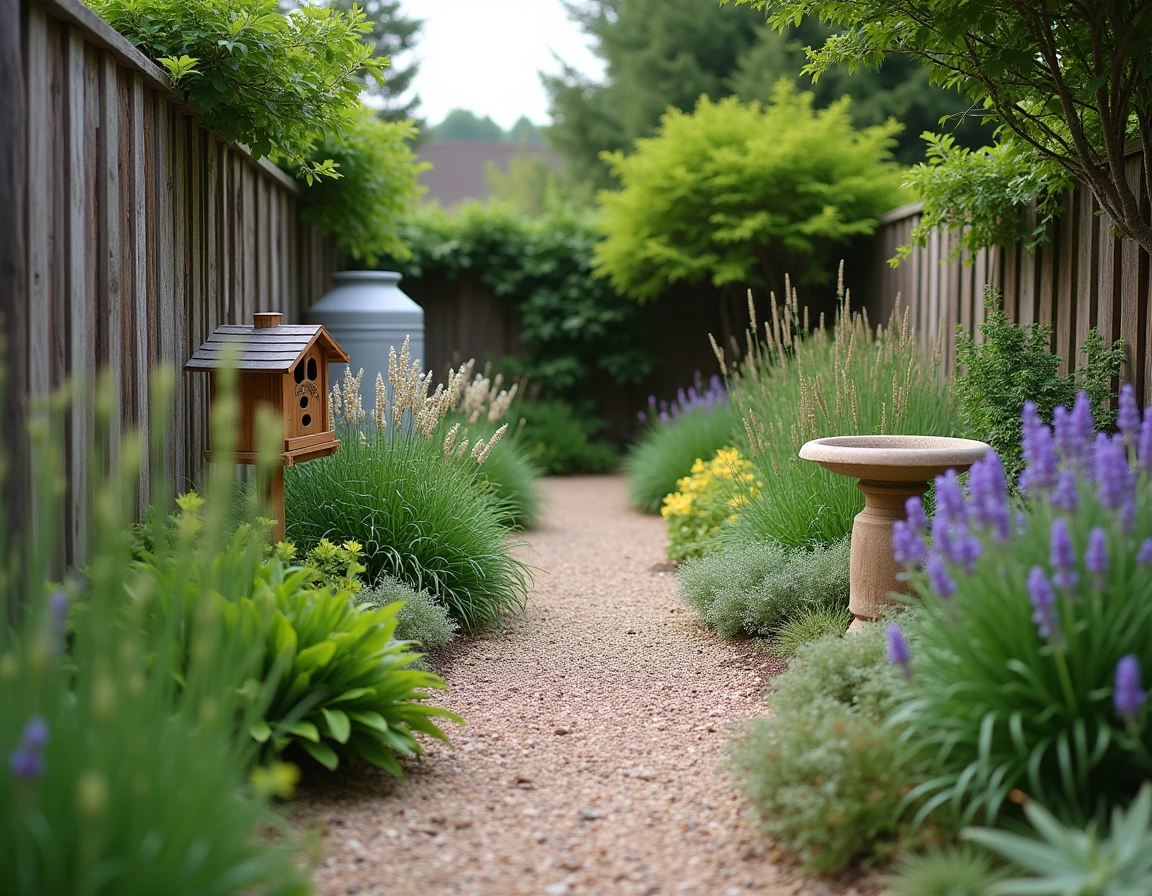
Mulching is one of the most recommended practices, but the choice of material deserves closer examination. The current trend is towards so-called “low-carbon” mulches, sourced from local resources: chipped branches from pruning, fallen leaves, straw from nearby cereal production. Using pine bark transported over long distances or synthetic materials contradicts the eco-responsible logic.
A well-chosen organic mulch serves multiple simultaneous functions:
- It limits soil water evaporation during hot periods, significantly reducing watering frequency.
- It prevents the emergence of weeds without resorting to herbicides by blocking access to light.
- It decomposes gradually and nourishes the top layer of soil, maintaining biological activity.
On the water side, recent recommendations from communities and water agencies regulate the use of domestic gray water for irrigation. Rinsing or cooking water, without soap or chemicals, can be used for watering, provided it is used quickly to avoid bacterial proliferation. However, it is not recommended to water leafy vegetables consumed raw (salads, spinach) with this water. This level of health precaution is rarely mentioned in standard guides.
Biodiversity in the garden: going beyond the list of “good plants”
Planting nectar-rich flowers is a start, not a strategy. A natural garden functions as a network of complementary habitats. The diversity of plant layers (ground cover, shrubs, trees) creates niches for different species: pollinating insects at the flower level, nesting birds in hedges, amphibians near a water point.
The presence of unmanaged areas is a central criterion for biodiversity labels. A strip of wild area, even narrow, along a wall or at the back of a plot, hosts auxiliary fauna (ground beetles, rove beetles, hedgehogs) that naturally regulate pests. This approach of “controlled letting go” requires a change in perspective: accepting that the garden is not uniformly maintained.
Natural materials and favorable arrangements
Dead wood left on the ground or piled in heaps provides refuge for dozens of species of insects, fungi, and small mammals. Combined with a modest water point (a buried dish, a half-buried basin), it transforms a corner of the garden into a functional micro-ecosystem.
The choice of materials for landscaping also matters. Favoring untreated local wood for borders, stakes, or planting boxes avoids introducing harmful substances into the soil. Natural and local materials reduce the garden’s footprint well beyond the plant life.
Labels and official recognition of the natural garden
Since 2022, the development of labels offered by associations and communities allows gardeners to have their gardens recognized as “refuges” for local wildlife. The criteria are concrete and verifiable:
- No use of synthetic pesticides or chemical fertilizers on the plot.
- Presence of at least one area of wild or spontaneous vegetation.
- Installation of nesting boxes, insect shelters, or accessible water points for wildlife.
- Limitation of nighttime lighting, which disrupts the cycles of animal species.
These labels are not purely symbolic. They provide a structuring framework for gardeners who want to go beyond isolated actions and embed their space in a coherent approach. Getting your garden labeled commits you to measurable and sustainable practices.
Field feedback varies on one point: access to these schemes varies greatly by region. Some communities assist individuals with visits and personalized advice, while others limit themselves to a charter to sign online. The level of requirements and follow-up remains heterogeneous.
An eco-responsible garden is not declared in a single season. It is built through a series of coherent choices, from the soil to the materials, from mulching to water management. The label, when it exists locally, sets a course. The rest belongs to the patient observation of the land and the species that gradually settle there.