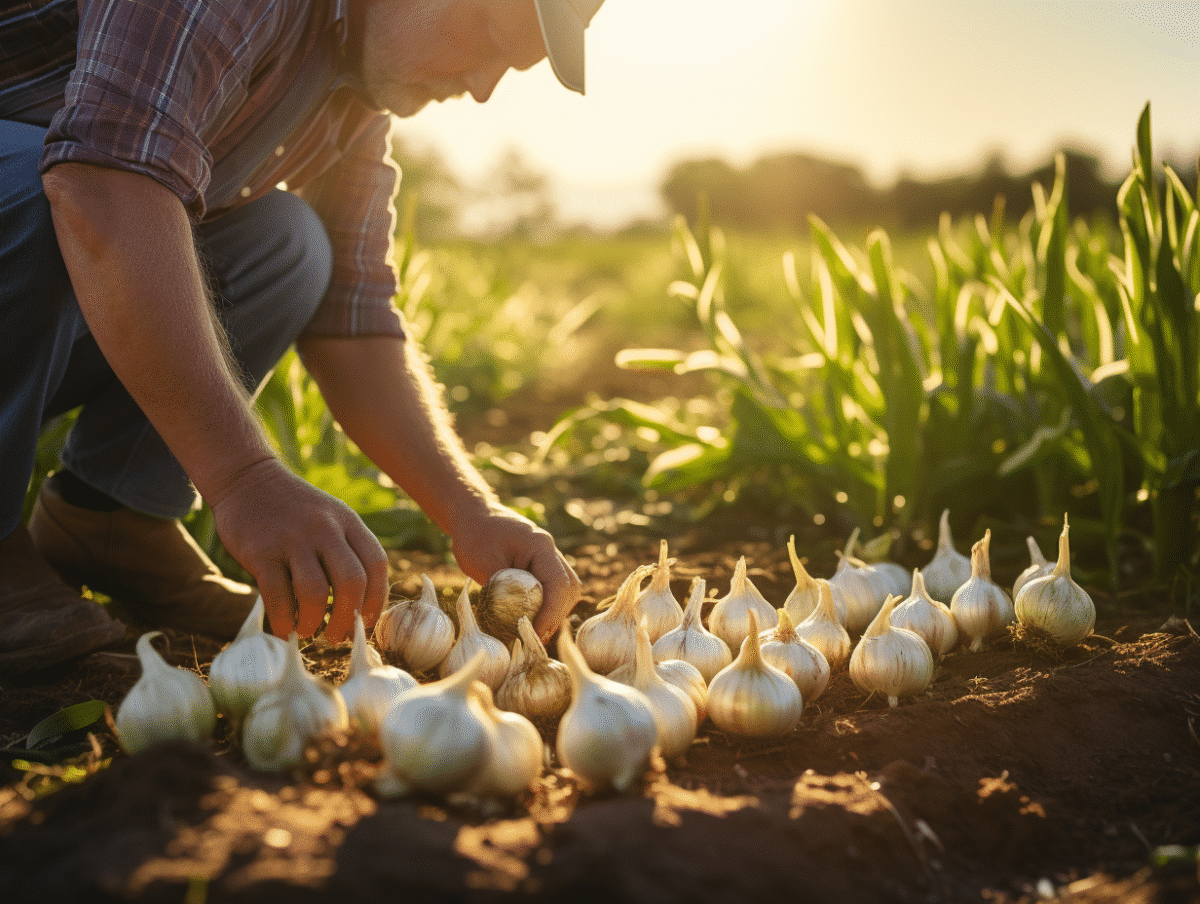
Cultivating high-quality garlic requires meticulous attention at every stage of its growth. Gardeners and farmers are constantly seeking to refine their techniques to maximize yield and quality of their harvest. Well-prepared soils, rigorous selection of varieties, adequate irrigation, pest and disease management, as well as timely harvesting and storage are crucial for obtaining full and aromatic garlic heads. Proven tips and agricultural innovations can greatly contribute to optimizing results, appealing to discerning consumers and ensuring profitability for producers.
Agronomic Strategies for High-Performing Garlic Cultivation
In the wake of an ever-demanding market, garlic producers are compelled to refine their agronomic strategies. The cultivation of garlic, a booming agricultural activity, stands at the crossroads of many factors, both economic and political. The market demand, constantly evolving, requires rapid and precise adaptation of cultivation methods.
Optimizing garlic quality is a quest that allows for no compromise. It is a well-established fact: high-quality garlic commands higher prices, and to achieve this, major questions arise such as “how to grow larger garlic” while preserving its aromatic and medicinal properties. The answers lie in a combination of innovative and proven cultivation techniques, ranging from variety selection to fertilization, along with meticulous management of diseases and pests.
Let’s also address the thorny issue of entry costs and their impact on profitability. It is undeniable that the cost of inputs, such as seeds and fertilizers, as well as technological innovations, weigh heavily in the economic balance. Fluctuations in market prices and competition are variables that directly influence the profitability of garlic cultivation. Therefore, economic monitoring and rigorous financial management are essential to navigate this complex environment.
Let’s not overlook the role of government policies and support. These can prove decisive in the economic equation of garlic production. Subsidies, initiatives supporting agricultural innovation, or training programs can significantly reduce costs and promote the introduction of sustainable and effective practices. When wisely employed, these aids secure investments and stimulate competitive, high-quality garlic production.
Post-Harvest Conservation and Valorization of Garlic
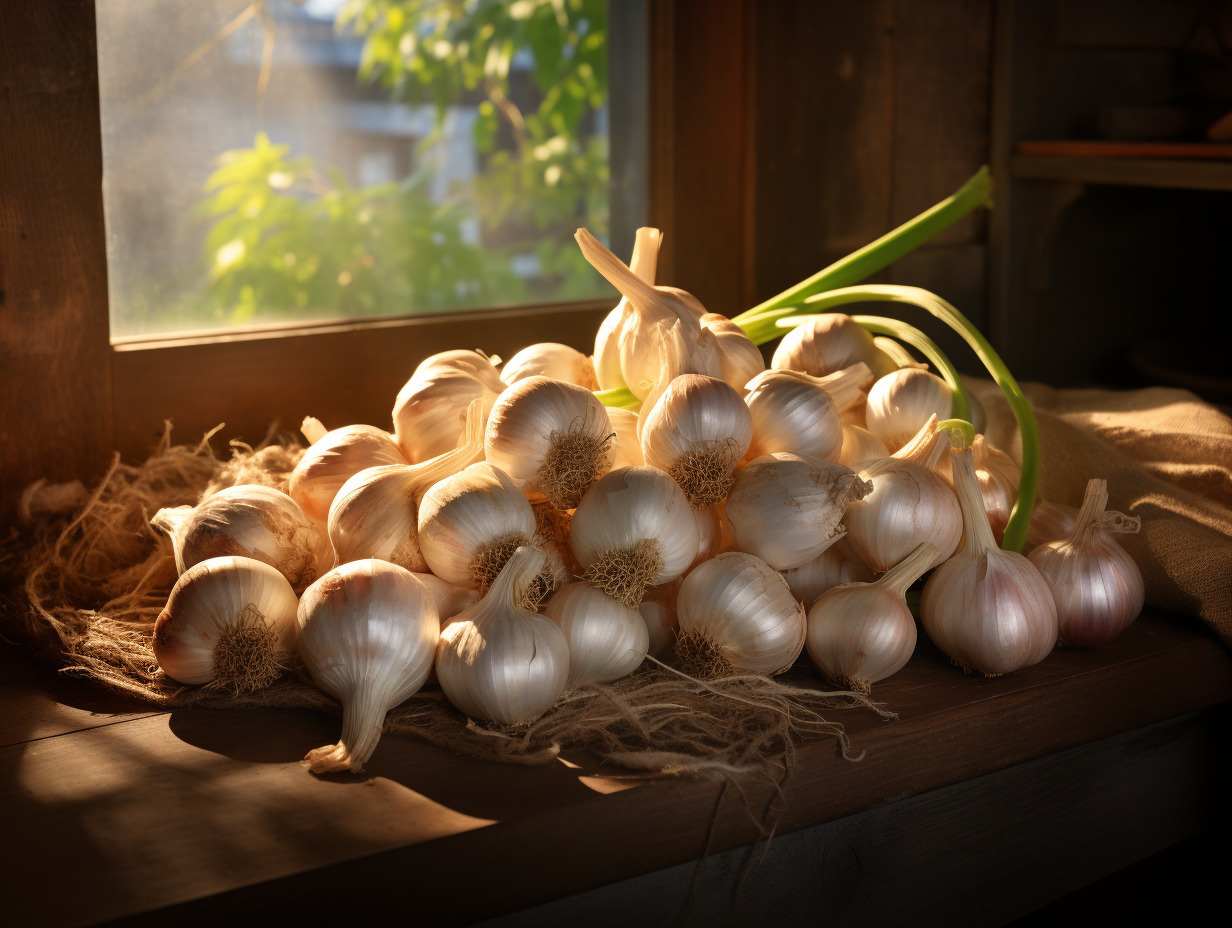
Once the garlic is pulled from the ground, the critical phase of conservation begins. This determines the preservation of the intrinsic qualities of garlic, particularly its valuable medicinal and aromatic properties. Post-harvest management is therefore a decisive step in ensuring a superior quality of the final product. Drying, storage, and packaging are the pillars of this period where humidity must be controlled with the utmost rigor to avoid any fungal or bacterial degradation.
Post-harvest management is also synonymous with valorization. Once harvested, garlic requires special attention in terms of sorting and selection. It is in this perspective that the calibration of bulbs, based on their size and quality, allows for directing batches towards suitable marketing channels. The added value of garlic can then be maximized, whether for the fresh market or for processing.
The packaging of garlic plays a crucial role in its long-term conservation and presentation to consumers. Packaging designed to regulate humidity and promote optimal aeration helps extend the shelf life of garlic while maintaining its integrity. Strategic choices regarding packaging materials and sales formats prove to be essential levers for achieving excellence in the conservation and marketing of garlic.