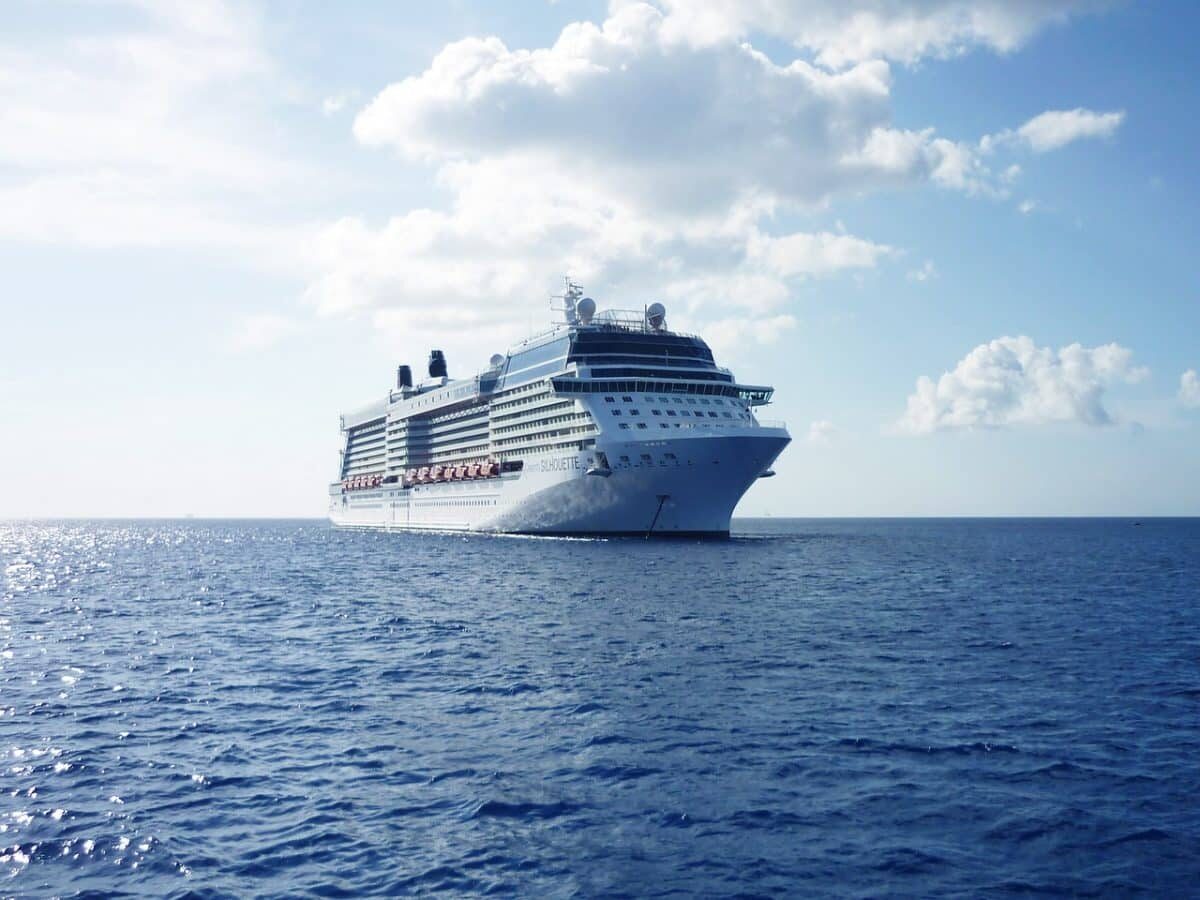
Do you dream of sailing the seas, discovering distant horizons, and enjoying absolute comfort aboard a cruise ship? Before you let yourself be carried away by the magic of the ocean, it is essential to prepare well. Among the many steps to take, a crucial point remains the health tests required for boarding. The COVID-19 pandemic has reinforced the importance of these measures to ensure the safety of all passengers and crew members. But which test should you choose for your cruise? Requirements vary depending on the companies and destinations. This detailed article guides you through the various tests required for a successful cruise.
COVID-19 Tests: Essentials
COVID-19 screening tests have become a standard for anyone wishing to board a cruise, especially for international travel.
Cruise companies often require a negative PCR test. This type of test is considered the most reliable for detecting an active infection. Conducted within 72 hours prior to boarding, this test is mandatory and must be presented in the form of a certificate.
Some cruise operators also accept antigen tests. Although less sensitive than the PCR test, they provide a quick result, generally in less than 30 minutes. However, their acceptance depends on the specific policies of each company.
Finally, some companies may offer COVID-19 tests directly at the boarding port. This option is often more expensive and requires arriving well in advance to avoid any inconvenience.
Vaccination: An Additional Precaution
Vaccination against COVID-19 is another essential criterion for being able to go on a cruise.
- Vaccination certificate: Several companies require a complete vaccination certificate. This means you must have received all required doses and observe a two-week period after the last injection.
- Accepted vaccine types: Vaccines approved by the WHO and local health authorities are generally accepted. Check the specific requirements of your cruise company, as some vaccines may not be recognized.
- Children and exemptions: Rules may vary for children, who are not all eligible for vaccination. Exemptions may be granted for medical reasons, but this often requires additional documentation.
Additional Tests: Depending on Destinations
In addition to COVID-19 tests, some destinations impose additional measures to ensure health safety.
For a Caribbean cruise, for example, some countries require specific tests for endemic diseases. A malaria screening test may be required for stops in at-risk areas. Similarly, vaccination certificates against yellow fever are necessary for certain tropical destinations.
Tuberculosis tests may also be requested, especially for long-duration cruises that include stops in regions where this disease is prevalent.
Pre-boarding Medical Consultation: A Recommended Step
Before embarking on a cruise, a medical consultation is strongly recommended to ensure your good health.
- A complete health assessment can detect any potential problems that may be exacerbated by life at sea.
- Doctors can provide specific advice for individuals suffering from chronic illnesses, such as diabetes or hypertension.
- Prescriptions for specific medications for seasickness or other minor ailments can be obtained during this consultation.
- Finally, the doctor can inform you of the measures to take in case medical care is needed on board.
Going on a cruise requires careful preparation, especially regarding health tests. Requirements may vary depending on the companies and destinations. Therefore, it is imperative to gather information in advance to fully enjoy this maritime adventure. Safe travels!